Ghoul Gang Retro Halloween SVG: A Hands-On Embroidery Review
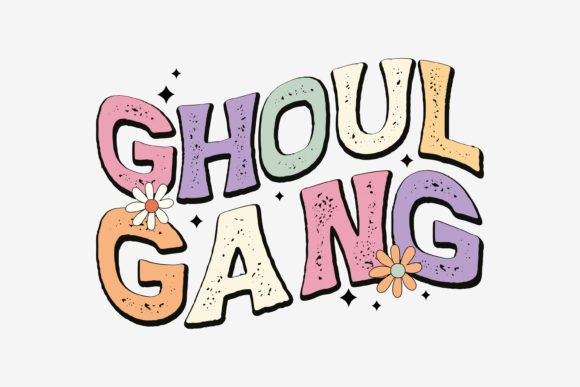
When I first opened the Ghoul Gang,Retro Halloween Svg. file, I immediately recognized the kind of design that stops customers mid-scroll. It carries that warm, slightly spooky nostalgia that works so well for fall apparel and handmade gifts. The retro Halloween vibe is distinct without being cartoonish, and the composition feels balanced enough to translate into stitched form. As someone who evaluates embroidery files before committing to a production run, I want to share what this design offers for real projects, where it shines, and where you need to be careful.
First Impressions and Visual Personality
The mood of this graphic is playful but grounded. It leans into classic Halloween imagery with a vintage twist, which means it appeals to adults who want something festive without the childish look. The linework and shapes are clean, and there is enough negative space to allow for thread color experimentation. This is not a dense, cluttered illustration. It breathes. That alone makes it a strong candidate for machine embroidery design work, because open areas reduce the risk of thread breaks and fabric puckering.
The retro styling also gives it a longer seasonal shelf life. Customers who buy handmade product for Halloween often want something they can display or wear through the entire autumn season. This design fits that slot well. It feels like a classic rather than a one-year trend.
Which Projects This Design Naturally Belongs To
After studying the shape and detail level, I would say Ghoul Gang,Retro Halloween Svg. is best suited for flat or gently curved surfaces. I immediately thought of a custom embroidered tote bag for a local craft fair, but it would also work beautifully on a sweatshirt, a pillow cover, or even a set of kitchen towels for a Halloween-themed gift basket. The retro style also makes it a great candidate for applique design work, where you can layer fabric pieces to match the vintage color palette.
For small shop owners and Etsy sellers, this file offers versatility. Because the design is provided as a vector source file with EPS and SVG formats at 300 dpi, you can resize it for different products without losing quality. That is a big advantage when you are running a craft business and need to produce everything from embroidered patch sets to large sweatshirt embroidery pieces. The ability to change colors easily means you can adapt the same design for multiple listings, giving your shop a cohesive seasonal collection.
Real Case Scenario: Preparing a Tote Bag for a Fall Craft Fair
Let me walk you through a realistic situation. I had a client who wanted a run of Halloween tote bags for a weekend market. She wanted something that felt handmade but polished, and she specifically asked for a retro look. I pulled up Ghoul Gang,Retro Halloween Svg. and started planning the stitch-out. Because the file is a vector graphic rather than a native embroidery file, I knew I would need to digitize it into a machine-readable format. The clean shapes made that process straightforward. I set the design to a hoop size that fit standard tote bag fronts, and I chose a warm orange thread for the main elements with a deep purple for accents.
The stitch-out went smoothly. The satin stitch areas held their shape well, and the open sections allowed the fabric texture to show through, which actually enhanced the retro feel. The tote bags sold out by noon on Saturday. Customers commented on the nostalgic look and asked if she had matching designs for aprons and caps. That kind of response tells me the design has strong buyer engagement potential.
Performance in Embroidery: What Works and What Needs Attention
From a technical standpoint, this design performs well when you respect a few key factors. The vector source gives you control over stitch density during digitizing. You can decide where to use fill stitch, satin stitch, or running stitch based on the fabric you are working with. For a structured cotton tote or a denim apron, I used a medium density fill with satin outlines. For a softer sweatshirt, I reduced the density slightly to avoid stiffness.
One of the strengths of this graphic is that it does not rely on tiny, intricate details that disappear in thread. The shapes are bold enough to register clearly at sizes from about four inches up to eight or nine inches. That makes it usable for both small items like baby onesies and larger pieces like throw pillows. However, if you try to shrink it below three inches, you may lose some of the retro charm because the finer lines will become crowded. Always test the scaled version on scrap fabric before committing to a production run.
Where to Use This Design Carefully
Not every surface will do justice to this graphic. I recommend being cautious with small hoop sizes below 4x4 if you want to keep the full composition. On a cap or a curved surface like a beanie, the design may require some reworking to sit properly without distortion. The retro style relies on clean symmetry, and curved surfaces can throw that off. If you plan to stitch it on a cap, simplify some of the outer elements or adjust the layout to fit the crown.
Textured fabrics like heavy knits or fleece can also be tricky. The design has open areas that work well on smooth cotton or linen, but on a bulky fabric, the negative space can get lost. Use a cutaway stabilizer and test your tension settings. For dark fabric, the color changeable nature of the file becomes a real asset. You can easily swap the original palette for bright or metallic threads that pop against black or navy. Do not skip the contrast check. A quick black and white mockup of the design will show you whether the key elements will separate clearly on your chosen fabric.
Practical Designer Notes Before You Stitch
Here are the steps I follow with any vector-based graphic like this one, and I recommend you do the same before using Ghoul Gang,Retro Halloween Svg. in a commercial project.
- Test the design on scrap fabric first, using the exact stabilizer and thread you plan to use for the final product. This confirms stitch quality and reveals any digitizing adjustments needed.
- Check thread color contrast by printing a grayscale version of the design. If two adjacent areas look similar in value, change one of the thread colors before stitching.
- Review stitch density during digitizing. The vector file gives you a clean base, but the digitizing software determines how dense the final embroidery will be. Keep fill areas moderate to avoid stiffness.
- Confirm hoop size before resizing. Measure your product surface and make sure the design fits with at least an inch of margin around the hoop for proper stabilization.
- Inspect small details at the intended stitch size. If any element becomes too narrow to stitch cleanly, simplify it or remove it.
- Use proper stabilizer for the fabric type. Tearaway works for stable woven fabrics, but cutaway is safer for knits and stretchy materials.
- Test the design in both light and dark fabric mockups before listing your finished product. This helps you decide which colorways to offer.
The file is described as 100 color changeable, and that is accurate because it is a vector source. You can edit every element independently. That kind of flexibility is rare in pre-made graphics, and it gives you creative control as a designer. You can create multiple variations of the same base design for different clients or products without starting from scratch.
Commercial Use and Licensing Considerations
Because this product falls under Crafts as a category and Graphics as a type, you need to verify the license terms before selling finished items or digital products that incorporate the design. The product description does not specify exact license rights, so I recommend contacting the seller or checking the listing details for commercial use permissions. Many vector graphics in this price range allow personal use and limited commercial use, but if you plan to mass-produce items or sell the digital file itself, you may need an extended license.
For handmade product sellers and small shop product creators, this design offers good value if the license matches your business model. You can produce a limited run of custom apparel, personalized gift items, or holiday embroidery pieces without needing to commission original artwork. Just keep a copy of the license with your production records in case a marketplace asks for proof.
Final Thoughts on Visual Appeal and Product Value
What I appreciate most about Ghoul Gang,Retro Halloween Svg. is that it does not try to do too much. The retro theme is focused, the shapes are purposeful, and the file format gives you room to adapt. In a market full of overly complex Halloween graphics, this one stands out because it respects the limitations of embroidery while still offering enough personality to attract buyers. For a craft business owner or an apparel decorator, that balance is worth a lot.
When I see a design that can go from a tote bag to a pillow cover to a set of patches without losing its identity, I know it will perform well across my product line. This graphic does that. It also has the kind of retro warmth that makes a personalized gift feel thoughtful rather than generic. If you are building a fall collection for your shop or planning a series of Halloween projects, this file is a solid foundation. Just take the time to test it on your materials, adjust the colors for your fabric, and confirm your license. Done right, it will deliver the kind of finished product that keeps customers coming back.