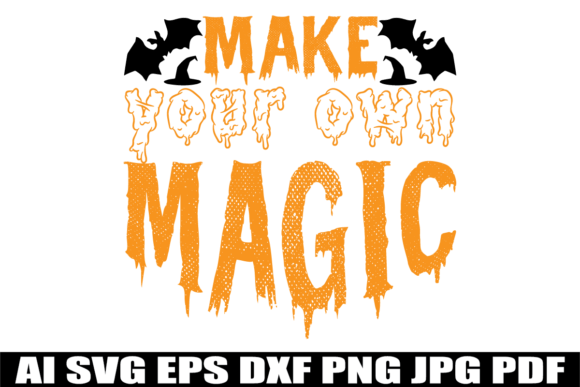
Make Your Own Magic
First Impressions of This Design
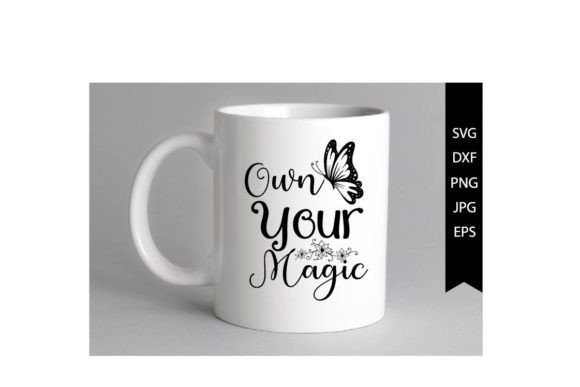
When I first opened Make Your Own Magic, I was struck by its quiet confidence. This is not a loud, flashy design that screams for attention. Instead, it carries a soft, whimsical mood that feels both encouraging and personal. The lettering has a hand-drawn quality, which immediately made me think of custom apparel and gifts where you want the message to feel intimate rather than mass-produced. The visual personality here is approachable and warm, making it a strong candidate for small shop products and boutique merchandise. The layout is balanced without being crowded, and the detail level sits comfortably in the middle—enough character to stand out, but not so intricate that it becomes a headache to stitch.
For embroidery designers and Etsy sellers, the first question is always: will this design actually look good after stitching? With Make Your Own Magic, the answer is yes, provided you match it to the right product. It naturally belongs on items that carry a sentimental or inspirational tone—think personalized tote bags, custom sweatshirts, baby nursery decor, or handmade gifts for milestones like graduations or weddings. The design feels like it was made for soft goods that people keep close, not for throwaway merchandise.
Real-World Embroidery Performance
I recently prepared a custom embroidered tote bag using Make Your Own Magic for a client who wanted a gift for a friend starting a new business. The design stitched out cleanly on medium-weight cotton canvas. The fill stitches laid down smoothly, and the satin stitch elements held their shape without puckering. The lettering remained legible at the size I hooped, which was about a five by seven hoop. I tested it on a sweatshirt as well, and the design held up nicely on stable knit fabric with proper stabilizer. The running stitch accents added a nice hand-touched feel that matched the overall mood.
In my experience, this embroidery file works well on custom apparel like t-shirts and hoodies, but it really shines on woven fabrics like aprons, pillow covers, and tea towels. The design density is moderate, so it does not overwhelm lightweight fabrics if you use a lightweight cutaway stabilizer. For baby embroidery, I would recommend reducing the size slightly and choosing soft thread colors to keep the look gentle. The design also translates beautifully to embroidered patches, especially if you are producing small runs for a craft business or an Etsy shop.
Where Make Your Own Magic Works Naturally
- Custom tote bags and market bags
- Sweatshirts and hoodies for gifting
- Baby onesies and nursery decor
- Embroidered pillows and throw blankets
- Kitchen towels and linen aprons
- Holiday gifts and wedding party favors
- Small shop merchandise and boutique branding
- Digital product previews and printable mockups
- Commercial embroidery projects with proper licensing
Where to Use This Design Carefully
No design is perfect for every situation, and Make Your Own Magic has a few limitations worth noting. The detail level is moderate, but I would avoid using it in very small hoop sizes like four by four unless you test it first. The lettering and decorative elements could lose clarity when scaled down too aggressively. If you plan to stitch it on caps or curved surfaces, pay close attention to the placement. The design has some fine elements that may distort on a curved brim or tight crown without careful hooping and stabilizer choice.
Textured fabrics like fleece, terry cloth, or heavy sweater knits can swallow the lighter stitch details, so I recommend testing on a scrap piece first. For stretchy fabrics like performance wear or thin jersey, use a tear-away or cutaway stabilizer with appropriate tension. Dark fabrics can work beautifully if you choose thread colors with strong contrast—light pastels and bright whites pop nicely against navy, black, or forest green. Dense stitch areas are minimal in this design, but always check the stitch density on your machine before running a full production batch.
Fabrics and Products That Need Extra Attention
- Very thin or delicate silks and sheers
- High-stretch athletic knits
- Heavily textured bouclé or chenille
- Curved cap brims and small hat fronts
- Layered garments where the design spans a seam
- Items that will be washed frequently, like kitchen towels or baby bibs
Visual Appeal and Product Value
From a designer's perspective, Make Your Own Magic adds genuine visual appeal to any finished product. The mood is uplifting without being cheesy, which is a hard balance to strike. Customers respond to that. When I showed the stitched tote bag to my client, she immediately commented that it felt personal and intentional—not like something bought off a rack. That is the kind of reaction that builds customer trust and drives repeat business for handmade shops and Etsy sellers.
The design also contributes to brand consistency if you are building a small product line. Because it works on multiple product types—apparel, home decor, accessories—you can use it as a signature piece across your shop. It gives your merchandise a cohesive look that customers recognize. For commercial embroidery businesses, this design can become a reliable seller for personalized gifts and custom orders. The emotional tone is broad enough to appeal to different age groups and occasions, which increases its marketability.
Giftability and Buyer Engagement
One thing I have noticed with this design is how often customers buy it for gifting. It has that universal "this made me think of you" quality. Whether stitched onto a baby blanket, a wedding pillow, or a birthday hoodie, the finished product feels thoughtful. That drives positive reviews and word-of-mouth marketing for small business owners. The design lends itself well to bundle listings—offer a tote bag or sweatshirt with the embroidery included, and you have a ready-made gift option that customers love.
Practical Embroidery Designer Notes
Before you use Make Your Own Magic in a real project, take these steps to avoid surprises. First, test the design on scrap fabric that matches your intended product material. Check thread color contrast against light and dark backgrounds—what looks good on screen may not pop the same way in thread. Review the stitch density on your embroidery machine display, and make sure your hoop size is appropriate for the file dimensions. If the design has small details, inspect them closely under magnification or zoom in your software to confirm they will stitch cleanly.
I always run a black and white mockup before stitching. It helps me see the layout without color distraction, and it reveals any awkward spacing or proportion issues. Compare the design on both light and dark fabric backgrounds, because the visual weight shifts dramatically. Use proper stabilizer—cutaway for knits, tear-away for wovens, and water-soluble topping for textured fabrics. If you are selling finished items or digital products made from this design, confirm the licensing terms. The file formats included are AI, SVG, PNG, JPG, DXF, PDF, and EPS, which cover most design and embroidery digitizing workflows. These files can be used for scrapbooking, vinyl decals, stencil templates, card making, and SVG design, but for machine embroidery, you will likely need to convert or digitize from the available formats unless you already have a compatible embroidery file.
Final Checks Before Production
- Test stitch on scrap fabric matching your final product
- Verify thread color contrast on both light and dark backgrounds
- Confirm hoop size fits the design without crowding
- Inspect small details and lettering for clarity
- Use appropriate stabilizer for your fabric type
- Review licensing for commercial use and digital product sales
- Run a black and white mockup to check proportions
How This Design Fits Into a Craft Business
For creative entrepreneurs running a Crafts business or selling Graphics as digital assets, Make Your Own Magic offers flexibility. It can be used as a standalone embroidery file on finished products, or as part of a larger design collection in your shop. If you sell printable mockups or digital design bundles, this graphic works well for showcasing how a finished product would look. The mood aligns with modern, mindful branding that resonates with today's buyers. It does not feel dated or overly trendy, which means it will likely stay relevant across several seasons.
When I review a design for real project use, I always ask: would I feel confident selling this to a client? With Make Your Own Magic, the answer is yes. It performs reliably on common fabric types, it communicates a warm and genuine message, and it elevates the perceived value of whatever product it goes on. For handmade product sellers, that combination is rare. This is the kind of design that becomes a staple in your shop rotation, not a one-time experiment.
Final Thoughts From a Designer
Make Your Own Magic is a solid addition to any embroidery designer's library. It is not a complicated design, but it does not need to be. Its strength lies in its emotional clarity and stitching reliability. Whether you are decorating custom apparel for a client, producing small batch merchandise for a craft fair, or building a digital product line for an Etsy shop, this design delivers. Pay attention to fabric choice, hoop size, and stabilizer, and you will get a finished product that customers remember. That is the kind of design that builds a business.