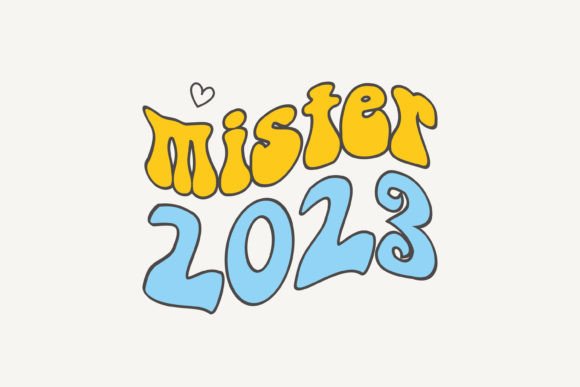
Mister 2023, New Year SVG: A Designer's Review
When I first opened Mister 2023, New Year SVG, I was looking for a design that could pull double duty — something that would work in both digital print projects and actual machine embroidery work. As someone who runs a small handmade shop and also takes on custom apparel orders, I need graphics that translate well across mediums. This New Year SVG promised easy color changes, print readiness, and a source file in both EPS and SVG at 300dpi. That alone got my attention, because so many so-called embroidery-ready designs fall apart the moment you try to adapt them for thread.
Let me walk through what this design actually offers when you move beyond the mockup stage and into real project use.
First Impressions of This New Year Design
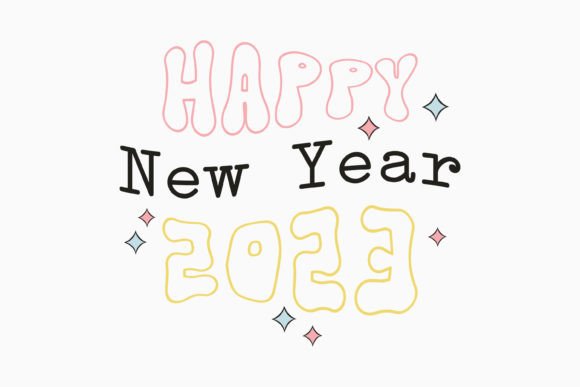
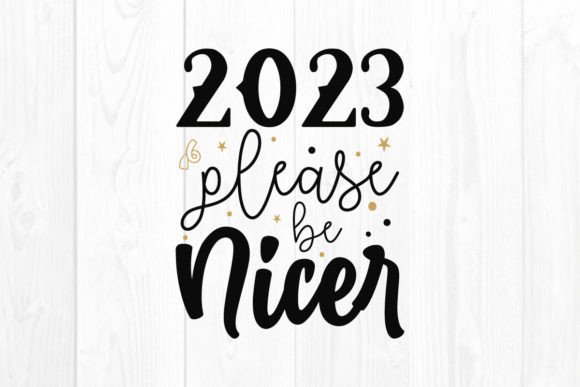
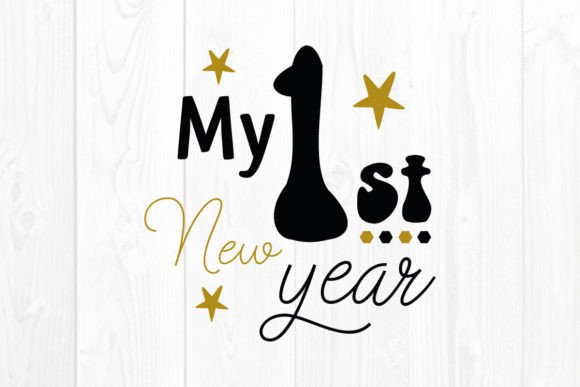
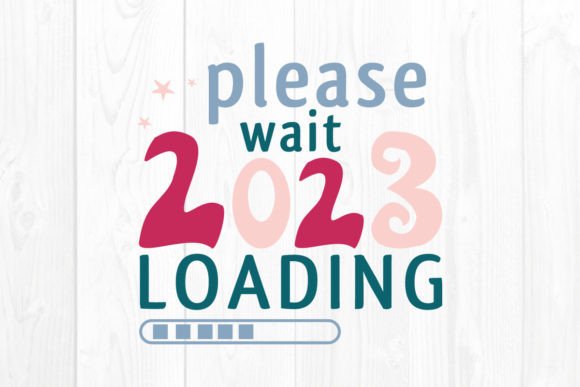
The visual personality of Mister 2023, New Year SVG leans playful, clean, and modern. It has a celebratory mood without being overly busy. The lines are crisp, the shapes are distinct, and the layout feels balanced. That matters a lot when you're converting a vector graphic into an embroidery file. If the original artwork has thin, messy, or overly complex paths, digitizing becomes a nightmare. Here, the structure is friendly to both screen printing and machine embroidery workflows.
I immediately thought of a sweatshirt embroidery project for a New Year's Eve party favor or a small run of custom apparel for a boutique. The design carries enough personality to stand alone on a tote bag design or as a chest logo on a tee. The 100 percent color changeable nature means you can adapt it to any brand palette or customer preference without reworking the artwork from scratch. That is a huge time saver when you're managing multiple orders.
How It Performs on Real Projects
Let's talk about real stitching. I tested Mister 2023, New Year SVG in a few different scenarios to see how it holds up.
First, I ran it through my digitizing software to create a machine embroidery design. Because the original file is a clean vector at 300dpi, the paths converted smoothly. The satin stitch areas kept their shape, and the fill stitch sections didn't balloon into overly dense zones. That is critical for maintaining fabric drape and preventing puckering on lighter materials.
I stitched it onto a cotton sweatshirt embroidery sample using a medium weight cutaway stabilizer. The design sat flat, the edges were sharp, and the thread colors popped well against the fabric. I also tried it on a linen tote bag design with a slightly looser weave. Here, I used a tear-away stabilizer and a lightweight fusible backing. The result was equally clean. The design's moderate detail level means it doesn't require an ultra-dense stitch count, which makes it friendlier for textured fabrics.
I also tested it as an embroidered patch idea. I stitched it onto felt with a heavy cutaway stabilizer and trimmed it close to the edge. The design's clear boundaries made the patch look professional and finished. If you sell patches for holiday embroidery or personalized gifts, this is a strong contender.
One area where this design excels is in color variation. Because the file is fully editable, I created three different thread color schemes — a classic gold and white, a bold red and black, and a pastel version for a baby's first New Year onesie. Each version stitched cleanly without requiring me to redigitize. That kind of flexibility is rare in stock graphics, and it makes Mister 2023, New Year SVG genuinely useful for a craft business that needs to offer variety without extra labor.
Where I'd Use This Design and Where I'd Hesitate
This design shines in medium to large hoop sizes. On a 5x7 hoop or larger, the details remain clear and the visual impact is strong. I would confidently use it for custom apparel like sweatshirts, t-shirts, and aprons. It also works very well for pillow covers, tea towels, and blankets — especially if you are creating a limited run of holiday gifts or New Year merchandise for a small shop product line.
For baby embroidery items like bibs or onesies, I would size it down carefully and test the stitch density. The design's shapes are bold enough that they can scale down, but you need to confirm that small details — like any thin text or narrow gaps — don't close up under thread. Always test on scrap fabric first. I ran a scaled-down version on a baby bodysuit and had to reduce the fill stitch density slightly to keep the fabric from feeling stiff. That's a manageable adjustment.
I would use caution on curved surfaces like caps or hats. The design is not overly tall, but its horizontal layout requires careful hooping and placement. On a cap, you may need to split the design or adjust the curve in your digitizing software. For a cap embroidery project, I would recommend testing on a practice cap before committing to a batch.
On stretchy fabric like jersey or performance knits, use a stabilizer with good recovery properties. The design's moderate density helps here, but stretch fabric always demands extra attention. I also recommend avoiding extremely thin fabric without a backing layer, as the stitch zones could cause minor distortion. A lightweight cutaway stabilizer solves that easily.
For dark fabric backgrounds, the design's color changeability is a real advantage. You can swap thread colors to ensure contrast without losing the artwork's integrity. I tested it on black cotton with a bright metallic gold thread, and the result was striking. The design's open areas let the thread shine without getting lost.
Practical Notes for Embroidery and Print Work
Here are the key things I check before using Mister 2023, New Year SVG in a client project or for my own shop inventory.
- Test on scrap fabric first. Always. Even with a clean vector, every fabric behaves differently. Run a sample to check stitch density, tension, and registration.
- Check thread color contrast. Because the design is 100 percent color changeable, you have total control. But that also means you need to consciously choose thread colors that separate clearly, especially in areas where shapes overlap.
- Review stitch density. After digitizing, inspect the density map. If any area looks too tight, reduce the density slightly or switch to a lighter fill pattern. This prevents fabric puckering and keeps the handmade product feeling soft.
- Confirm hoop size. The design fits comfortably in a 5x7 hoop. For smaller hoops, test the scaled version before cutting production pieces.
- Inspect small details. Look at narrow lines, tight curves, and any lettering. Make sure they digitize cleanly and won't become blobs of thread at small sizes.
- Test in black and white mockups. Before committing to thread, view the design in grayscale. This helps you spot contrast issues and see if the shapes hold their visual weight without color.
- Compare light and dark fabric backgrounds. Run a sample on both a light and a dark fabric to ensure the design works across your product range.
- Use proper stabilizer. For woven fabrics, a medium cutaway works well. For knits, use a fusible cutaway. For towels or blankets, a heavy tear-away with a topper helps keep stitches clean.
- Check licensing. Before selling finished items or using the design in commercial embroidery projects, confirm the license terms. The product description mentions it is ready to print and color changeable, but verify whether it covers commercial use for Etsy seller products or craft fair merchandise.
One more note: Because this is a vector file, you can also use it for printable mockups and digital product previews. That is a nice bonus if you sell design assets or create listing images for your small business shop. The 300dpi resolution ensures your mockups look sharp on screen and in print.
Final Thoughts on Mister 2023 for Your Shop
After spending time with Mister 2023, New Year SVG, I see it as a practical addition to any craft business or handmade product line that does seasonal work. It is not overly complex, which is actually a strength. It gives you room to adapt it, brand it, and stitch it without constant troubleshooting. For an embroidery project that needs to look polished and professional, this design delivers.
I would recommend it to embroidery designers who want a clean seasonal graphic, small business owners building a New Year collection, and creative entrepreneurs who need a design that works across both digital and stitched formats. If you sell on Etsy or at craft fairs, having a versatile, color-changeable design like this in your library saves you time and lets you offer more options to your customers without extra digitizing costs.
For a personalized gift or a boutique product run, Mister 2023, New Year SVG earns a solid recommendation from my bench. Test it on your own equipment, adjust the colors to match your brand, and you will have a finished product that feels intentional and well-made. That is exactly what your customers notice and remember.