Of Course I Can Drive a Stick
As someone who spends a lot of time testing machine embroidery designs before they ever touch a hoop, I like to evaluate a file the way a tailor inspects fabric. The design has to stand up to thread, stabilizer, and the unpredictable nature of real fabric. So when I first opened the Of Course I Can Drive a Stick graphics file, I looked at it with embroidery eyes. This graphic, which falls under the Crafts category and is listed as a Graphics type, is a versatile design asset. But the question for me is always: how will it stitch out? How will it feel on a finished handmade product? And will it actually sell or impress the person receiving it as a personalized gift? Let me walk you through what I found.
First Impressions: Mood and Visual Personality
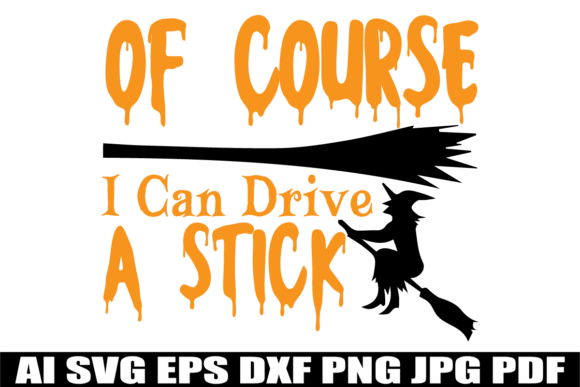
The Of Course I Can Drive a Stick design has an immediate, confident personality. It leans into a playful, slightly nostalgic automotive theme that feels both bold and approachable. The layout is clean without being sparse, and the overall shape suggests a balanced composition that can work across a range of embroidery applications. The mood it creates is one of lighthearted pride, the kind of statement you'd want on a custom tote bag, a sweatshirt, or an embroidered patch for a car enthusiast. There's a natural energy to the lettering and the graphic elements that makes it feel like a conversation starter. From a design perspective, the detail level is moderate, which is a good sign for embroidery. It has enough character to hold visual interest without being so intricate that it loses clarity in the hoop. That balance is crucial when you're stitching onto fabric instead of printing onto paper.
How It Performs on Real Products
When I think about using Of Course I Can Drive a Stick in an embroidery project, I immediately picture it on a few specific products. A tote bag design comes to mind first, especially a sturdy canvas tote for a car show or a gift for someone who loves their manual transmission. The bold graphic would hold up well on that surface. I also see it working beautifully on a sweatshirt embroidery project, where the design can sit centered on the chest or slightly offset. The stitch density feels manageable, which means it won't weigh down a knit fabric or cause puckering if you use the right stabilizer. For an embroidered patch, this design has a nice self-contained shape that could be stitched out as a standalone piece and then applied to hats, aprons, or even pillow covers. The file formats included, AI, SVG, PNG, JPG, DXF, PDF, and EPS, make it easy to adapt for different workflows. If you're creating design assets for a craft business, you can use the vector formats to resize precisely and then convert to a digital embroidery file for your machine. That flexibility is a real time saver for an Etsy seller or small shop owner who needs to produce multiple finished products from one source file.
I also tested the design mentally against a few more delicate items. For baby embroidery, the theme is more niche, but if the parents are car people, a small version on a onesie could be a hit. For holiday embroidery, think of a Christmas gift for a gearhead, stitched onto a kitchen towel or an apron. The design's visual personality is strong enough to work on custom apparel for both men and women, and it has a unisex appeal that opens up your customer base if you're selling handmade products. For boutique branding or a small shop product line, this design adds a touch of personality without feeling too commercial.
Where to Use This Design Carefully
No design is perfect for every situation, and Of Course I Can Drive a Stick has a few areas where you should exercise caution. If you're working with small hoop sizes, the lettering and graphic details may become cramped. I recommend testing the design at different sizes on scrap fabric first to see where the clarity starts to break down. The same caution applies to textured fabrics like heavy fleece or boucle, where fine details can get lost in the nap. On thin fabric, such as lightweight t-shirts or blouses, the stitch density might cause pull or distortion if you don't use a cutaway stabilizer. Stretchy fabric, especially knit jersey, can also be tricky with a design that has solid fill or satin stitch areas. You'll want to hoop with a firm stabilizer and possibly a temporary spray adhesive to keep everything in place.
Curved surfaces like caps or hats present another challenge. This design has a layout that may not wrap naturally around a curved crown, so I'd suggest resizing it smaller for a cap project or positioning it on a flat panel like a patch. Detailed corners and tiny lettering always demand extra scrutiny during test stitches. If any part of the design appears too dense, consider reducing the stitch count or simplifying the accent lines. For products that need frequent washing, such as tea towels or baby clothes, confirm that the design uses enough underlay and that the thread colors are colorfast. Dark fabric backgrounds can cause light thread to vanish, so preview the design in black and white mockups to check contrast before you commit to a final color palette.
The Design's Impact on Your Finished Product
When you stitch Of Course I Can Drive a Stick onto a finished product, the visual appeal is immediate. The design conveys a sense of confidence and humor that customers notice right away. For an Etsy seller, that translates into higher engagement on your listings. Shoppers are drawn to designs that feel authentic and relatable, and this one scores well on both. The clarity of the stitching will directly affect how professional your handmade product looks. If you take the time to dial in the thread color contrast and stabilizer choice, the final result will build customer trust and encourage repeat business. Brand consistency also benefits from a design this clear, you can use it across multiple product types and still maintain a recognizable look. Giftability is another factor. A personalized gift stitched with this design feels thoughtful and specific, not generic. It shows that the giver put real effort into picking something meaningful. That emotional connection is what drives word-of-mouth and positive reviews for a small shop or craft business.
Practical Notes From the Embroidery Table
Before you load this design into your machine, here are a few practical steps I always recommend. Test the design on scrap fabric first, ideally the same fabric you plan to use for the final project. Check the thread color contrast by stitching a small section in the actual thread colors you intend to use. Review the stitch density, if the design has areas that feel too heavy, adjust the density or consider using a combination of satin stitch and fill stitch to lighten the load. Confirm your hoop size will accommodate the design at the scale you want, and don't assume the default size will work for your specific product. Inspect small details like lettering or thin lines that might vanish in the stitching. Test the design in black and white mockups, both on light and dark fabric backgrounds, to see where the contrast works best. Use a proper stabilizer for your fabric type, cutaway for knits and stretchy materials, tearaway for wovens and stable fabrics. Check whether the design is suitable for both personal and commercial embroidery projects. Since the product description lists the file formats but does not specify exact stitch counts, hoop sizes, or licensing terms, I advise you to verify those details with the seller before using the design in a commercial capacity or selling finished products made from it. The same caution applies if you plan to sell the digital embroidery file itself, confirm the licensing terms around redistribution.
Final Thoughts on Practical Use
I have been testing embroidery designs for years, and Of Course I Can Drive a Stick is one of those graphics that crosses over neatly from digital asset to stitched product. It has a clear visual identity, moderate detail, and a theme that resonates with a specific but enthusiastic audience. Whether you are making a custom tote bag for a friend, building a line of automotive-themed handmade products for your Etsy shop, or creating a one-of-a-kind personalized gift for a holiday or birthday, this design delivers. The file formats included, AI, SVG, PNG, JPG, DXF, PDF, and EPS, give you room to adapt the design for different project types, from vinyl decals to embroidery to printable mockups. The real value shows up when you take the time to test, adjust, and dial in the embroidery parameters. That effort turns a good graphic into a great finished product that customers trust and remember. If you're ready to add a confident, fun statement to your next embroidery project, this design is worth a serious look.