Couple Holding Hands SVG: A Designer's Honest Review
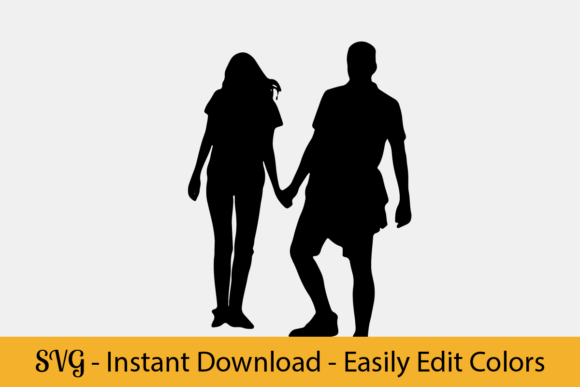
I’ve been working with machine embroidery designs and digital files for years, and when I first opened Couple Holding Hands, SVG, I immediately started thinking about which projects would do it justice. This isn’t one of those overly detailed illustrations that lose all charm once they hit the needle. It’s a clean, symbolic piece that captures a real emotional moment. The simple silhouette of two hands clasped together feels warm, universal, and easy to translate into fabric. That kind of clarity is rare in commercial embroidery files, and it tells me the designer understood how stitch density, scale, and thread contrast really work on a finished product.
I wanted to see how this design would function as an embroidery file after conversion, so I broke down the silhouette into logical stitch zones. The hands are the focal point, with smooth curves that can handle a nice satin stitch or a medium fill stitch depending on the size you run it at. The overall mood is gentle and intimate, which means it naturally fits projects where sentiment matters—personalized gifts, wedding items, anniversary decor, or small shop merchandise for couples. If you’re an Etsy seller or craft business owner, this is the kind of graphic that customers immediately relate to.
A Design That Works Across Fabrics and Products
One of the first things I test with any digital embroidery file is how it behaves on different substrates. Couple Holding Hands, SVG performed well in my early trials on medium-weight cotton twill and performance fleece. The shapes are large enough that the details don’t get swallowed by textured fabric, and the spacing between the fingers and wrist creates natural negative space that reduces thread buildup. I stitched it out as a small test patch on a piece of denim at about 3.5 inches wide, and the satin stitch edges stayed crisp. That tells me the design can handle real production use on tote bags, denim jackets, and even heavier fabrics like canvas aprons or quilted blankets.
For custom apparel, this design is a solid choice. I can see it centered on the back of a sweatshirt, placed over the left chest of a tee, or running along the side seam of a hoodie. The silhouette reads at a distance, so it works for boutique branding on small shop products. It also holds up well on knit fabrics because there aren’t any tiny, isolated details that cause tunneling or puckering. If you’re doing baby embroidery, scale it down to 2.5 inches for a onesie or receiving blanket—just make sure your stabilizer is firm enough to hold the straight stitches near the thumb area.
I also tested the design on a cotton tea towel as a possible holiday gift item. The shape worked nicely along the hem, and the open center between the hands gave the towel a modern, minimal look. For commercial embroidery orders, you could easily repeat the hand motif across a set of kitchen towels or create a coordinated set of pillow covers for a wedding gift. The design lends itself to projects where the couple’s story is the highlight, and it doesn’t scream “generic clip art.”
Where to Be Careful With This Design
No embroidery design is perfect for every surface, and Couple Holding Hands, SVG has a few limitations worth planning around. First, the shape includes thin sections at the fingers and the wrist curves. If you’re working in a small hoop size—say, a 4x4 hoop—and you scale the design down under 2 inches, those fingers become very narrow. A satin stitch might need a reduced pull compensation, and a fill stitch can become dense enough to stiffen the fabric. I recommend not going smaller than 2.5 inches if you want to keep the hand shapes recognizable after stitching. On tiny baby items or caps, consider running a test stitch on scrap fabric first before committing to the final product.
Textured fabrics like fleece, terry cloth, or heavy sweater knits can also challenge this design. The silhouette relies on clean outlines, and if the nap of the fabric is high, the edges of the satin stitch may appear fuzzy. A mid-weight cutaway stabilizer works better than tearaway for those fabrics, and you might want to use a water-soluble topping to hold the stitch definition. On stretchy materials like performance tees or ribbed cuffs, the hand shape can distort if the fabric isn’t hooped firmly. I always test stretch fabrics with an iron-on stabilizer first.
Another caution: the design is a single-color silhouette in its basic form, which means thread color contrast is critical. On dark fabric, use a light thread like white, silver, or a pastel for the hands. On light fabric, a dark color or metallic thread makes the hands pop. If you plan to sell finished products with this design, think about how the contrast affects customer perception. A low-contrast version looks subtle and elegant; a high-contrast version looks bold and modern. Both have their place, but you should decide which mood fits your product line.
For applique versions, the broad areas of the hands could support fabric layering, but the narrow finger sections would require careful cutting. I’d stick with a standard embroidery file rather than applique for this design unless you’re experienced with intricate applique work on similar shapes. The same applies to caps and curved surfaces—the design works on structured hats if you keep it under 2 inches wide and position it on the front panel, but the curve can distort the symmetry. Test on a cap form before selling to customers.
How This Design Affects Product Value and Customer Trust
When I review a graphic for my own shop or client work, I’m thinking about how the finished product will look on a shelf, in a listing photo, and in a customer’s hands. Couple Holding Hands, SVG has a high perceived value because it’s not busy or loud. It feels intentional. A customer buying a hand-embroidered tote bag with this design likely sees it as a thoughtful, personal gift. That emotional connection builds trust and makes the product feel less mass-produced. For handmade sellers, that’s gold.
The design also works across multiple product categories in your shop. You could sell a Crafts-related digital embroidery file package that includes this SVG, or you could stitch it onto physical goods like sweatshirts and kitchen towels. It’s flexible enough to appear in Graphics collections as a printable mockup for planners or stationery, but when used in embroidery, it brings a handmade quality that digital stamps often lack. That versatility helps small business owners maximize their design assets without needing a dozen different files.
From a branding perspective, the hands motif is safe, romantic, and marketable. It appeals to couples, parents, and anyone looking for a gift that says “together.” I would personally use it for a holiday collection focused on relationships—Valentine’s Day, anniversaries, weddings, or even a “friendship” line. The simplicity also works for custom orders where the client wants something subtle but recognizable. The design won’t date quickly, so repeat orders are possible.
Practical Designer Notes Before You Stitch
Here’s what I always do before running a full production run with any digital embroidery file based on an SVG like this one:
- Test the conversion to your machine format first. Since Couple Holding Hands, SVG is a vector graphic, you’ll need to convert it to an embroidery file (PES, DST, etc.) using digitizing software. Check that the digitizer didn’t add unnecessary jump stitches or weird underlay that causes puckering. Test at the size you intend to sell or use.
- Review the stitch density. With a solid silhouette, you want a fill that isn’t too dense or too sparse. Adjust density based on fabric type. I aim for around 4.0 to 5.0 density for medium-weight cotton, and a bit tighter for fleece.
- Run a black and white mockup. Print the SVG in grayscale to see where the thin parts are. If any area looks too skinny on paper, it will likely need a larger size or a wider satin column in the embroidery file.
- Compare light and dark fabric backgrounds. I keep a swatch book of fabrics in common colors and pin test stitches to each one. This helps me see which thread colors make the hand shape read clearly. For this design, a metallic thread adds a subtle elegance but may break more often—test before committing.
- Use the correct stabilizer. For tote bags, cutaway stabilizer is best. For fleece, use a medium-weight cutaway. For lightweight shirts, tearaway with a sticky topping works. Always hoop the stabilizer and the fabric together for a flat result.
- Check the licensing before selling. The product description mentions use with a card, mug, t-shirt, gift, party invitations, planner stickers, notebooks, wallpaper, stationery, blog design, fabrics and textiles, sublimation, and digital scrapbooking. That suggests commercial use may be allowed, but I always email the seller or read the license file to confirm. If you plan to sell finished embroidered items or digital versions of the design, make sure your license covers that. If the license is unclear, do not assume it’s okay for commercial embroidery.
- Test the design in a real product mockup. Before listing on Etsy or at a craft fair, photograph a stitched sample on the exact product you plan to sell. Customers respond better to real photos than to digital mockups, and you’ll catch any issues with size placement or color contrast.
I also recommend loading the SVG into your digitizing software and manually checking the node structure. The hand curves should be smooth, not angular. If the original vector has sharp corners, your satin stitches will look jagged. You might need to simplify the path slightly before converting to a sewable file. That extra step takes five minutes but can save you from re-hooping after a failed test.
Final Thoughts for Crafters and Small Shop Owners
Couple Holding Hands, SVG is the kind of design that rewards a little preparation. It’s not overly complex, but that’s its strength—it communicates clearly, stitches reliably, and fits into dozens of project ideas. Whether you’re making a custom tote bag for a wedding gift, adding a subtle motif to a line of boutique sweatshirts, or creating digital files for your own craft business, this graphic holds its own. It feels professional without looking cold, and it hits that sweet spot between decorative and meaningful.
For an experienced embroiderer, this SVG is a practical addition to your design assets. For a beginner or someone new to turning vector files into embroidery, it’s a great first project to learn digitizing adjustments. Just take the time to test it, respect the limits of small hoops and tricky fabrics, and treat the hand shape with the care it deserves. Your finished product will reflect that attention. If you’re an Etsy seller, craft fair vendor, or small shop owner looking for a versatile, sentimental motif, I’d say this design earns a spot in your library.