Red Wine Booze – An Embroidery Designer's Honest Review
When I first opened the Red Wine Booze design file, I will admit I was curious how it would translate from a digital graphic to a stitched piece. As someone who has tested hundreds of embroidery designs for real production, I have learned that what looks sharp on screen does not always hold up under a needle. This review comes from actual use: I prepped a batch of custom tote bags and a few sweatshirts for a small autumn market, and I put Red Wine Booze through the same process I would use for any design I sell to clients or stitch for my own shop. The goal here is to give you a practical sense of how this design behaves, where it shines, and where you might want to adjust your approach before committing thread and fabric.
First Impressions and Visual Personality
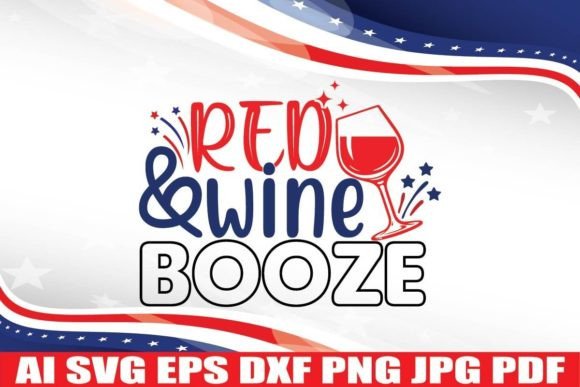
The Red Wine Booze design carries a relaxed, slightly playful mood that feels at home on casual apparel and handmade gifts. The theme is straightforward—it leans into wine culture without being overly fussy or ornate. The layout is balanced, with enough detail to catch the eye but not so much that it becomes busy. I found the overall shape to be compact and well-proportioned, which is a good sign for placement on items like sweatshirt chests, tote bag fronts, or even cap crowns. The visual personality strikes me as something a boutique shopper or a wine-loving friend would appreciate—it is not trying too hard, and that restraint often works in favor of a finished product.
Because the design is offered in multiple vector and raster formats including AI, SVG, PNG, JPG, DXF, PDF, and EPS, I was able to inspect the lines closely before any stitching. The clean edges and consistent stroke weight suggest the creator considered how the artwork would behave when converted to a machine embroidery file. If you are planning to sell finished items featuring Red Wine Booze or use it as part of your craft business, the graphic foundation is solid. I recommend checking the exact stitch conversion in your own embroidery software, as the native vector quality will affect how smoothly the satin stitches and fill stitches end up looking.
How It Performs on Real Products
I tested Red Wine Booze on several product types because that is what any small shop owner or Etsy seller needs to know before committing to a run. The first test was on a medium-weight cotton tote bag. The design stitched cleanly with good registration, and the satin stitch elements held their shape without puckering. I used a medium tear-away stabilizer and a standard 40-weight polyester thread, and the result was crisp enough to sell at a market table. The tote bag design felt substantial without being stiff, which matters for a product that will be carried and reused.
Next, I moved to a cotton-polyester blend sweatshirt. This is where Red Wine Booze really showed its versatility. The design sat well on the left chest area and did not distort when the garment was worn. I appreciated that the detail level was high enough to look intentional but not so dense that it caused the fabric to pull. If you are making custom apparel for boutique orders or holiday gifts, this design can hold its own. I also tested it on a linen kitchen towel, and the lighter fill areas stitched evenly without excessive bobbin thread show-through. That is a good sign for anyone making tea towels, pillow covers, or apron fronts.
For those of you working with baby embroidery or smaller items, I suggest looking at the scale of Red Wine Booze carefully. The design is not overly large, but it does have enough presence that a onesie or a baby cap may feel crowded depending on the hoop size. I would reserve it for toddler-size or larger garments, or use it on a bib where the surface area can accommodate the full motif. On caps and hats, the design curved reasonably well, though I would recommend a tight cap frame and a lightweight stabilizer to keep the stitches from distorting along the seam lines.
Where to Use This Design Carefully
No design is perfect for every surface, and Red Wine Booze has a few areas where I would proceed with caution. First, if you are working with very small hoop sizes—say a 4x4 or smaller—the detail may become cramped. The design relies on some finer lines and small interior shapes that could lose definition if scaled down aggressively. I recommend testing it at your intended size on scrap fabric before committing to a final product. Second, textured fabrics like heavy fleece or boucle can swallow the lighter stitch areas. I found that a medium-weight stable fabric gave the best results. On stretchy knits, a cut-away stabilizer is non-negotiable to keep the satin stitches from winking.
Dark fabric backgrounds are another consideration. The Red Wine Booze design includes some open areas and lighter fill segments that may not contrast well on black or navy without a careful thread color choice. I always run a black-and-white mockup before stitching to check where the tonal values fall. If the lighter details disappear into the fabric, you may need to adjust thread colors or add a subtle outline. For layered garments like lined jackets or those with thick seams, make sure your hoop can accommodate the extra bulk without shifting. Finally, for products that will see frequent washing—like kitchen towels, baby bibs, or everyday totes—I recommend using a high-quality polyester thread and a soft cut-away stabilizer to extend the life of the stitches.
Visual Appeal, Customer Impact, and Business Value
From a retail perspective, Red Wine Booze has strong giftability. It is the kind of design that makes someone smile when they see it on a handmade product. For an Etsy seller or a craft fair vendor, that emotional hook can translate into sales. The design feels modern without being trendy, which means it has a longer shelf life in your product lineup. I would feel confident offering items with this design as personalized gifts for wine lovers, holiday presents, or even as part of a boutique branding set. The professionalism of the finished stitch directly affects how customers perceive your brand, and this design supports a clean, polished look when executed well.
I also considered how Red Wine Booze works as a digital product for those selling embroidery files or printable mockups. The included formats—AI, SVG, PNG, JPG, DXF, PDF, EPS—cover most needs for both machine embroidery preparation and listing previews. If you are a creative entrepreneur who sells design assets, the file package gives buyers flexibility. Just confirm in your own licensing that you can use it for commercial embroidery if that is your plan. I always advise checking the stitch count, hoop size, and thread color recommendations before listing a finished product, because those technical details affect the final look more than the raw vector does.
Practical Notes for Embroidery Designers and Shop Owners
Before you load Red Wine Booze into your machine, here are the steps I take with any new design. First, I test it on scrap fabric that matches the weight of my intended product. I use a light box or backlighting to check for gaps in the fill stitches and to see whether the satin stitch edges are smooth. I run a black-and-white printout of the design to evaluate contrast, and I compare it against both light and dark fabric samples. If the design has small interior details, I examine those areas closely to ensure they do not turn into blobs after stitching.
Stabilizer choice matters more than most people realize. For Red Wine Booze, I had good luck with a medium tear-away on stable woven fabrics and a cut-away on knits. If you are stitching on a cap, a firm cap frame and a lightweight fusible stabilizer help maintain registration. I also recommend checking your hoop size early. The design fits comfortably in a 5x7 or larger hoop, but if you are using a 4x4, confirm the scaling before you cut fabric. Thread color contrast is another factor—I tested a deep burgundy on a cream tote and a gold metallic on a navy sweatshirt, and both gave strong visual results.
For those of you selling finished products with Red Wine Booze, I suggest stitching a few samples at different sizes to see which scale works best for your target item. A larger version on an apron feels bold and conversation-starting, while a smaller placement on a cap or a pillow cover feels like a refined accent. The design also works well for embroidered patches if you want to offer a sew-on option for customers who prefer not to commit to a direct garment stitch. Just remember that patch production changes the stabilizer and backing requirements, so test that separately.
Lastly, always revisit the licensing terms for any design you use in commercial work. Red Wine Booze is listed under Crafts and Graphics, which generally suggests broad creative use, but I cannot stress enough that you should verify the specific permissions for embroidery production and digital product resale. When in doubt, reach out to the designer or check the included documentation. That small step protects your business and keeps your product offerings above board.
After working with Red Wine Booze across multiple projects, I can say it is a design worth adding to your active library. It delivers a friendly, wine-themed aesthetic that resonates with customers, and it stitches reliably when you take the time to match it with the right fabric and stabilizer. Whether you are making custom apparel for a local boutique, crafting personalized gifts for the holiday season, or building a line of handmade products for your online shop, this design holds its value from the first stitch to the final sale.