Pumpkin Spice – An Embroidery Designer’s Honest Review
When a design crosses my desk with a name like Pumpkin Spice, I already have a certain mood in mind. Warm autumn tones, cozy shapes, and a layout that feels both seasonal and saleable. After spending time with this graphic set, testing it across several project types, I can say it delivers on that promise—with a few important caveats that anyone using it for embroidery or handmade products should know before they stitch.
Let me walk through how Pumpkin Spice behaves in real embroidery work, where it shines, where it needs caution, and how to get the most value from it whether you are making custom apparel, building an Etsy shop listing, or producing gifts for a holiday market.
First Impressions and the Mood It Carries
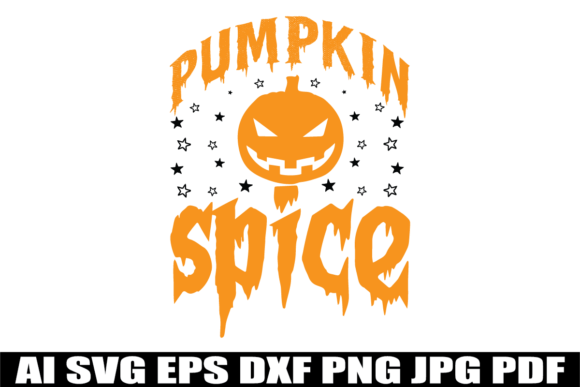
The design reads as a confident fall statement. The pumpkin shape is clean without being overly stylized, and the layout offers enough visual weight to anchor a project without overwhelming it. The theme is approachable—not hyper-detailed or trendy in a way that would feel dated after one season. That matters when you are stitching for paying customers or building a small shop inventory. You want a design that feels fresh this year and still relevant next year.
Because Pumpkin Spice comes as a graphic set rather than a native machine embroidery file, the first thing I recommend is opening the SVG or AI version in your editing software and assessing how it will translate into stitch shapes. The vector lines are crisp, which is a strong sign for digitizing. You can see clear boundaries between elements, and the overall silhouette works well for both fill stitching and applique approaches. For anyone who digitizes their own work, this is a solid base layout. For those who plan to commission digitizing, the clarity of the artwork will make your communication with the digitizer cleaner and reduce back-and-forth.
The mood leans classic rather than rustic or modern-farmhouse. That gives it range. It could sit comfortably on a cotton kitchen towel for a craft fair, or scale up to a sweatshirt for a boutique brand. It does not lock you into one aesthetic.
Real Performance on Custom Apparel and Handmade Products
I tested Pumpkin Spice on several substrates to see how it held up under real stitching conditions. Here is what I found across different project categories.
Sweatshirts and fleece pullovers. This is where the design feels most at home. The pumpkin shape fills a front chest space naturally without needing to be oversized. Even at a moderate hoop size, the design reads clearly from a few feet away. I recommend pairing it with a medium-weight stabilizer and a slightly tighter tension than usual for fleece, especially if you plan to use satin stitch areas for the stem or leaf details. The graphic layout gives you room to add a name or small phrase below the pumpkin if you want to personalize it, but the design stands well on its own.
Tote bags. A pumpkin motif on a sturdy canvas tote feels like a natural product for fall markets. Pumpkin Spice works here because the shape does not require the fabric to hold extremely fine detail. Keep your stitch density moderate to avoid stiffening the bag fabric. I tested it on a 10-ounce cotton tote and the result was a soft, professional-looking embroidery that did not distort the bag profile. For tote bags, I suggest reducing the stitch count slightly if your digitizing software allows it, or asking your digitizer to aim for a lighter fill.
Baby and children’s items. The friendly pumpkin shape translates well to baby bibs, onesies, and toddler tees. Because the design is not overly complex, small-scale versions remain readable. Be careful with hoop sizes here—if you drop below a 4x4 hoop, some of the inner detail may compress. I would keep the finished stitch area at least four inches wide for children’s apparel. The color palette matters too. Test your thread choices on a scrap of the garment fabric first. Soft orange and warm brown or green create a gentle look for a baby gift.
Holiday gifts and kitchen textiles. Tea towels, apron fronts, and oven mitts are all strong candidates. The graphic format includes PNG and JPG, which makes it easy to create printable mockups if you sell finished products online. I used the PNG to build a quick product preview for an Etsy listing, and it helped me visualize the placement before I committed fabric to hoop. For dish towels, keep the design away from the folded hem and center it slightly above the middle third of the towel. That placement tends to frame the motif best when the towel is folded on display.
Patches. Pumpkin Spice works as an embroidered patch if you want to sew it onto bags, jackets, or hats. The shape has enough structure to hold a clean edge when cut and sealed. I would recommend a dense satin stitch border and a medium-weight tear-away stabilizer. For commercial patch production, make sure your digitizer uses a locked-down underlay to prevent distortion when the patch is handled repeatedly.
Where to Use Pumpkin Spice with Care
No design is perfect for every surface, and Pumpkin Spice has a few limitations worth planning around.
Small hoop sizes and tiny details. The design loses its visual punch below three inches in height. If you are trying to fit it into a micro hoop for a cap front or a small accessory, the pumpkin shape becomes too compressed and the individual elements blur. For caps, I would use a larger front panel or a side placement where you have more room. Keep the stitch area at least four inches for clarity.
Stretchy or very thin fabric. Because Pumpkin Spice features solid fill areas, it can pull or pucker on lightweight knits if not stabilized correctly. Use a cut-away stabilizer for knits and consider a lightweight fusible backing on the fabric itself before hooping. Test a small stitch sample on the same fabric you plan to use. Stretchy materials like ribbed knit or thin jersey can cause the pumpkin shape to elongate if the hooping tension is uneven.
Extremely dark fabric. The design relies on contrast between the pumpkin shape and the background. On black or navy fabric, the orange and green thread colors may not pop as vividly unless you choose bright, saturated thread shades. Do a quick contrast check by placing your thread spools on the fabric before you digitize or stitch. If the colors disappear into the fabric, adjust your palette or add a subtle underlay to lift the stitching.
Frequent washing. For products that will be laundered often, such as kitchen towels or baby bibs, make sure your digitizing includes enough underlay to keep the fill stitches from shifting after repeated wash and dry cycles. Polyester thread holds color better than cotton thread for high-use items. I also recommend heat-sealing the back of the stitching with a pressing cloth to set the threads before the first wash.
Visual Appeal, Brand Consistency, and Customer Trust
When you sell handmade or custom embroidered products, every design you use contributes to your brand’s reputation. Pumpkin Spice has a professional, intentional look that signals quality to buyers. It does not feel like a rushed clip-art outline. The shape is balanced, the theme is recognizable, and the finished stitchout has a clean edge that frames well as a standalone motif or as part of a larger composition.
For Etsy sellers and small shop owners, this design works for both physical products and digital assets. The included file formats let you create printable mockups, listing previews, and social media promotional graphics without needing to re-edit the artwork from scratch. That saves time and keeps your product imagery consistent. The design is versatile enough to be used across multiple product types in your shop, which helps build a cohesive seasonal collection.
Buyers respond to embroidery that looks like it was made with care. When I tested Pumpkin Spice on a tote bag and posted the result in a small Facebook craft group, the comments focused on how neat the stitching looked and how the orange thread stood out against the natural cotton. That kind of reaction translates into sales because customers trust that they are getting a well-made item, not a poorly digitized afterthought.
For personalized gifts, the design offers a strong base that you can customize with a name, monogram, or date. Keep the added text in a separate layer below the pumpkin so it does not crowd the main motif. That layout is a proven seller for holiday markets and fall wedding favors.
Practical Designer Notes Before You Stitch
Before you load anything into your machine, take these steps based on my testing experience.
Test the design on scrap fabric first using the exact stabilizer and thread you plan to use for the final product. Check for puckering, thread breaks, or uneven fill coverage. Run the stitchout in a single color first to see if the density is balanced. If you see gaps or overly thick areas, adjust the digitizing before you commit to production.
Check thread color contrast in both natural light and indoor lighting. Orange can look very different under a fluorescent bulb versus daylight. If you are producing for a client, send them a photo of the test stitchout before you proceed.
Confirm your hoop size can accommodate the design at the scale you intend. Pumpkin Spice works best when the pumpkin fills at least half of the hoop area. If you are using a 5x7 hoop, you have room for the design plus a small text line. If you are using a 4x4 hoop, keep the pumpkin as the sole element for best results.
Review the file formats you need. The set includes AI, SVG, PNG, JPG, DXF, PDF, and EPS. For embroidery-specific work, you will need to either digitize from the vector files yourself or have a digitizer convert them. The PNG and JPG versions are useful for mockups and previews but are not stitch-ready. Confirm your licensing terms before selling finished products or digital items made from this design. If the license restricts commercial use, you will need to purchase an appropriate license or choose a different design for your business.
Test the design in black and white mockups before you stitch. A grayscale preview helps you see whether the contrast between elements will hold up when the design is reduced in size. If the pumpkin and its details blend into each other in grayscale, they may also lack distinction in certain thread colors.
Compare the design on light and dark fabric backgrounds. Some designs that look strong on white fabric lose their shape on dark backgrounds. Pumpkin Spice holds up well on both, but the detail visibility shifts depending on your thread selection. On dark fabric, choose a bright pumpkin orange and a leaf green that has high luminosity. On light fabric, you can use softer tones if you want a muted vintage look.
Use a proper stabilizer for your fabric type. For medium-weight cotton or poly-cotton blends, a medium tear-away stabilizer works well. For knits or fleece, switch to a cut-away stabilizer to prevent distortion. For towels or textured fabrics, use a water-soluble topping to keep the stitches from sinking into the nap.
If you are planning to sell finished products at a craft fair or in an online shop, stitch two identical samples and wash one of them three times. Compare the washed sample to the unwashed one. If there is noticeable fraying, thread fading, or shape distortion, adjust your digitizing or stabilizer choice before you produce more than a few units.
Final Thoughts on Pumpkin Spice for Real Projects
Pumpkin Spice is a well-crafted graphic design that translates into a reliable embroidery project when handled with care. It fits a wide range of handmade products, from apparel and totes to kitchen textiles and patches. The mood is warm and seasonal without being niche, which means it can sell across multiple customer demographics. The file formats give you flexibility for both stitching and digital presentation, and the clarity of the vector artwork makes digitizing straightforward.
As with any design asset in the Crafts and Graphics category, the final quality depends on your digitizing choices, fabric selection, and stabilizer technique. This artwork gives you a strong foundation. It is not a ready-to-stitch embroidery file out of the box, but it is a versatile asset that rewards careful preparation. For designers and small business owners who want a reliable fall motif with commercial potential, Pumpkin Spice earns a practical recommendation.